“Zombie Apocalypse”: How to Prepare Your Laser Tag Arena for Halloween
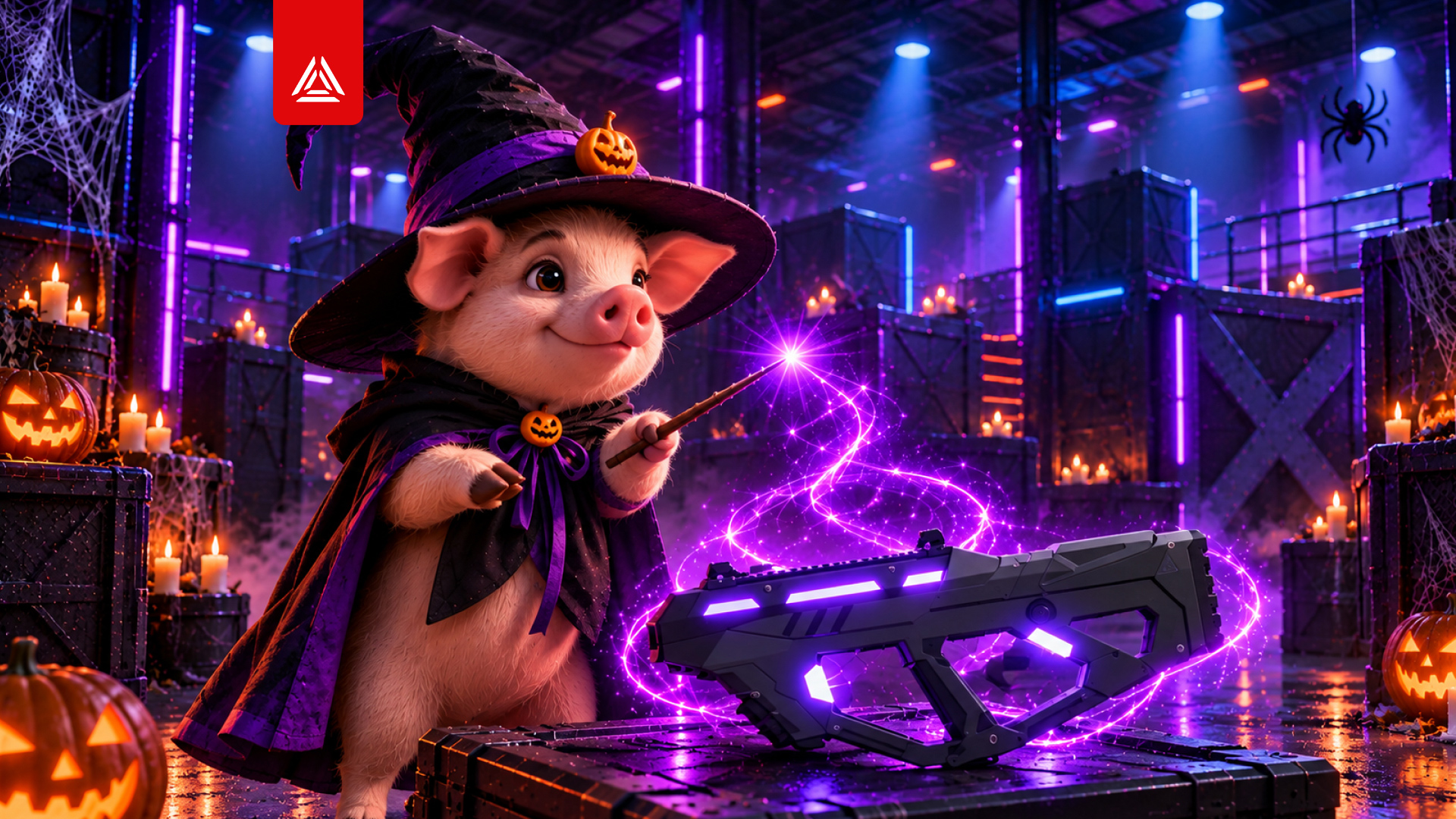
At the end of October, a familiar laser tag maze can become an infected city for a few days. You do not need to rebuild the arena or invest in elaborate decorations. Adjust the lighting, add a few story-driven props, and connect familiar game modes through one shared plot.
The program below is designed to run for 75 to 90 minutes. It works well for birthday parties, public sessions, and Halloween events at laser tag venues.
The story
An accident has occurred at a research facility. A virus has escaped from the laboratory, several employees have been infected, and the city is under quarantine. A team of survivors must find the components needed to develop an antidote, deliver them to a safe zone, and evacuate before time runs out.
The number of infected players grows with each round. In the final mission, the survivors must defend their shelter or join the zombie horde.
Decorating the arena
You do not need to cover the entire maze in fake cobwebs. Decorations should never catch on clothing, block walkways, or interfere with the sensors.
Create several clearly marked game zones:
- a laboratory with boxes, flasks, and biohazard signs;
- a quarantine checkpoint with warning tape;
- a medical supply station;
- a shelter or evacuation point;
- a zombie spawn area lit with green or red lights.
Put up signs reading “Infection Zone,” “Airlock,” “Laboratory,” and “Evacuation.” Plastic canisters, old equipment cases, LED candles, and printed warning notices all make inexpensive props.
Do not use real candles, glass containers, or loose cables in the playing area. Use fog machines sparingly because thick fog reduces visibility and makes it harder for staff to monitor players. Avoid strobe lights or warn guests about them before the session.
Staff costumes can be simple. A white lab coat, safety glasses, and an ID badge are enough to turn the host into a research facility employee. Zombies can wear torn clothing, pale makeup, and a few painted scratches. For younger groups, avoid blood and realistic wounds.
A five-minute safety briefing
Before the game, the host introduces the story, demonstrates the equipment, and explains the rules:
“The arena is under quarantine. Your mission is to complete each objective without joining the infected. The sensors register every tag, so there is no need to argue about hits. Do not run, push other players, climb over the decorations, swing your blaster, or bring it close to another player’s face. When the end-of-round signal sounds, stop and wait for instructions.”
Explain the infection mechanic separately. If an eliminated player changes teams, they must wait for the appropriate sound or light signal before returning to the game. Make sure everyone understands when the change happens and how to identify their new team color.
Game program
Round 1: Quarantine
Duration: 5 to 7 minutes.
The opening round gives players time to learn the arena and get used to the equipment. Divide them into two regular teams and award points for successful tags. In the story, they are security teams trying to restore order after the accident.
The host can use this round to assess the group and adjust health, damage, reload time, or the duration of later missions. Beginners may need extra health and shorter reload times.
Round 2: Patient Zero
Duration: 10 to 15 minutes.
One player becomes Patient Zero. For a larger group, start with two zombies. Everyone else begins as a survivor.
Zombies receive extra health but a lower rate of fire. Any survivor eliminated by a zombie respawns as a member of the infected team. The round ends when no survivors remain or the timer runs out.
If the software includes a ready-made “Zombie Apocalypse” scenario, the host only needs to set the round duration and adjust the characteristics of the survivors and zombies.
Round 3: Find the cure
Duration: 10 to 15 minutes.
Place three components of the cure around the arena. Control points, interactive scenario devices, or labelled containers can represent them.
The survivors must activate the objects in the correct order. Zombies defend the laboratory and try to stop them. If the equipment supports in-game bonuses, a medical station can restore health, while an ammunition container can refill magazines or reduce reload time.
Round 4: Deliver the antidote
Duration: 10 to 15 minutes.
The survivors must transport a container from the laboratory to the shelter. One player takes the role of courier. If the courier is eliminated, the container stays at the marked location until another survivor collects it.
The zombies win if they prevent the delivery before time expires. The survivors win when they activate the base in the evacuation zone.
A digital flag or another scenario device can replace the physical prop. The system can then register when players collect, lose, and deliver the objective.
Round 5: The last shelter
Duration: 10 to 15 minutes.
The final battle takes place around a single base. The survivors must hold their position until the rescue team arrives, while zombies attack from several directions. Give the infected a short respawn time to increase the pressure as the round progresses.
For an alternative ending, ask the survivors to activate a transmitter and hold it for a set period. A control point or Smart Battle Base works well for this version.
If all the survivors become infected, the host announces that the city has fallen. If at least one defender remains when the timer ends, the evacuation is successful.
Music and sound
A good soundtrack can connect the rounds more effectively than extra decorations. Prepare four playlists for the event:
- Guest arrival: quiet ambient music, radio static, distant sirens, and quarantine announcements.
- Safety briefing: calm electronic background music without sudden loud effects.
- Game rounds: rhythmic instrumental tracks, industrial ambience, or synthwave.
- Finale and awards: a faster track for the final battle followed by calmer victory music.
Make sure the music is properly licensed for commercial or public use in your country. Keep the volume low enough for players to hear equipment signals and instructions from the host. Staff should also have access to a microphone or public-address system for urgent announcements.
Awards
After the game, gather the players around the scoreboard or statistics screen. Instead of recognising only the highest-scoring player, present awards for several achievements.
Possible categories include:
- “Ultimate Survivor” for the highest individual score;
- “Zombie Hunter” for eliminating the most infected players;
- “Patient Zero” for the strongest performance as the first zombie;
- “Lab Savior” for completing the most objectives;
- “Last One Standing” for successfully defending the base;
- “Team Player” for supporting the group.
Prizes can include printed certificates, Halloween stickers, or themed tokens. Take the group photo in the decorated laboratory while everyone is still wearing their equipment.
Adapting the program for different ages
Ages 7 to 9
Remove frightening makeup, loud sirens, and heavily darkened corridors. The zombies can become infected robots or aliens instead.
Shorten each round to four or five minutes. Keep the infection rules simple: when tagged out, the player changes team color and returns to the game. Do not make one child play against the entire group. Start with two or three infected players.
Ages 10 to 13
Keep the laboratory and Patient Zero storyline, but avoid realistic horror effects. Six to eight minutes is usually enough for each round.
Searching for the cure, transporting an objective, and defending the base all work well for this age group. Before each round, explain only the new objective instead of repeating every rule.
Ages 14 to 17
Add limited ammunition, medic and courier roles, decoy cure containers, and several possible routes through the arena. Teenagers are more likely to enjoy individual rankings and the infection mechanic that moves players between teams.
Rounds can last 10 to 15 minutes if the arena is large enough.
Adults
Adult groups can handle more complex settings, including different role characteristics, limited ammunition, restricted respawns, and a hidden Patient Zero. In the final round, eliminated survivors can remain out of the game while zombies continue to respawn quickly.
For corporate groups, add a shared objective. For example, the team wins only if most of the survivors reach the evacuation point, while individual statistics count as a secondary result.
The program can run throughout October with different difficulty settings for each group. Configure and save the scenarios once, then reuse the decorations during the entire Halloween season. Before each session, the host only needs to select the appropriate age profile, check the equipment, and assign the roles.
Related news
LASERWAR game statistics collection systems
How the collection of game information and control of the game takes place?
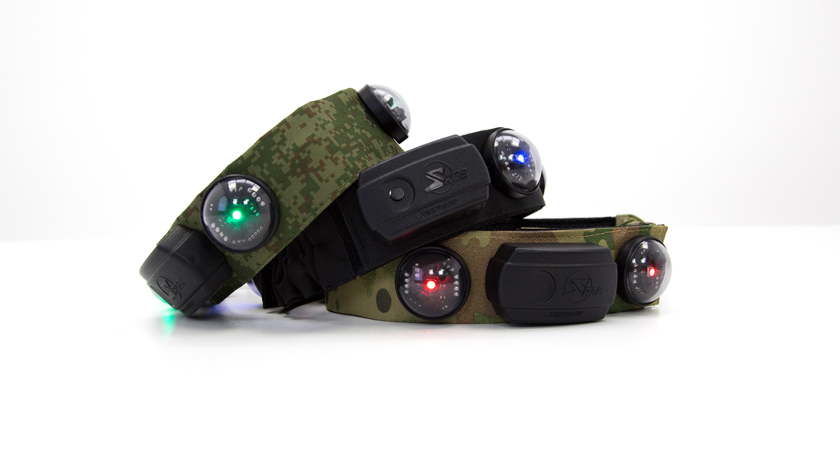
SMART RGB-HEADBAND FROM LASERWAR COMPANY
LASERWAR COMPANY is happy to present the unique Smart RGB-headband. This headband is the result of long and painstaking working process involving all the members of our team. It took more than a year to work out the final version. We are absolutely sure that the new band will have a tremendous effect on the game process making your dreams come true! But let us get down to the heart of the matter.
TAGER Project – what is it about?
Tager is the equipment for a tactical game of the next generation . The game imitates armed combat. The objective of the game is to defeat the rival using a special light blaster, while

How to spend halloween party in the laser tag style?
Laser tag battle is probably the best idea for Halloween, because when else will you fight a zombie or a vampire clan, if not on the most mystical night of the living dead.

TOP THREE BEST-SELLING LASER TAG GAME-SETS FROM LASERWAR COMPANY
The LASERWAR on-line store offers a wide range of laser tag equipment. At our site a user will find everything: from unsophisticated pistols to authentic mass-dimensional automatic rifles and machine-guns. We produce a great variety of laser tag gear for any game script: mines, bombs, hand grenades, etc. A newbie in the laser tag world is easily taken aback by our wide range of models. If you hesitate what to choose from our equipment, this review will help you take the right decision. Here we present the taggers which have proven best in many laser tag battles: from private tournaments to large-scale public events. Choosing them you trust the reliable opinion of our company’s experts and of those who have successfully tested that equipment. So, here is the list of best-selling LASERWAR models.
Top 4 laser tag devices of 2017
The summer season of laser tag battles is over and the year 2017 is coming to an end. Now, during this cold sleety autumn break between winter and summer games, there is time to recall


