Mobile Laser Tag: Equipment, Event Costs and Setup
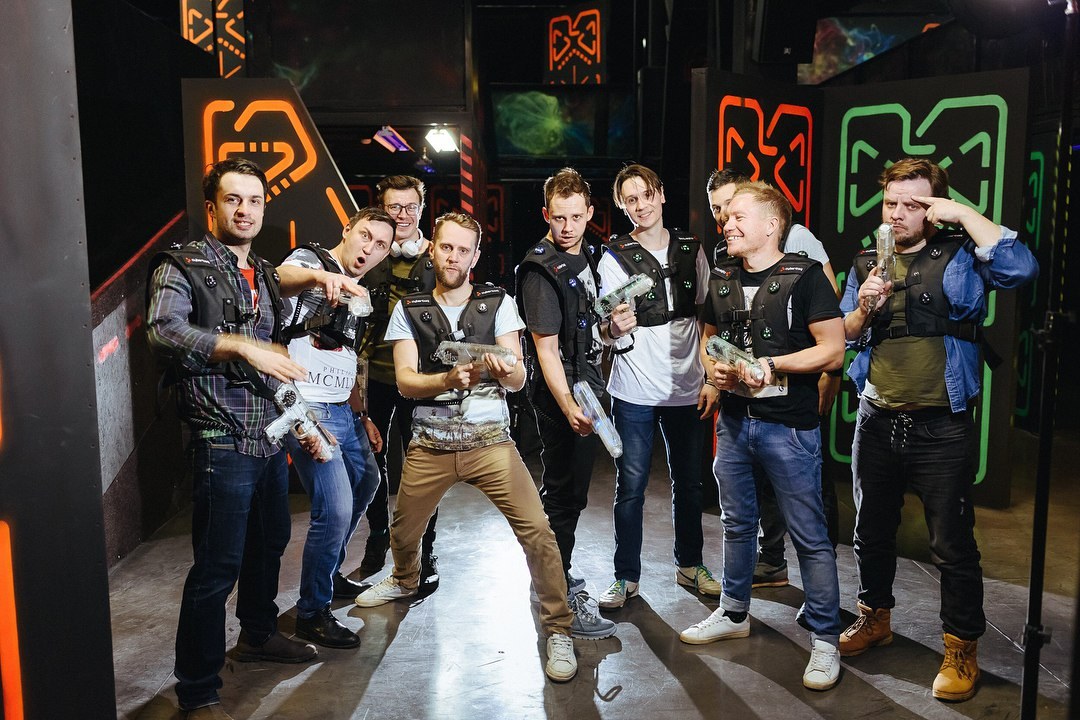
Mobile laser tag brings infrared taggers, wearable hit sensors and instructor-led games to a temporary playing field. LASERWAR was founded by former venue operators, so our recommendation starts with the location: this guide explains what drives event costs, which equipment fits, and what to check before unloading.
Key Takeaways
- Compare quotes by simultaneous player capacity and actual playing time. Confirm whether transport, setup and an instructor are included.
- Approve the location before selecting equipment. Boundaries, access and usable cover determine whether the proposed game format will work.
- Test hit detection on the actual field. Equipment that works indoors still needs checking in outdoor light and across the intended firing lanes.
- Keep replacement player equipment ready at the field edge. A quick exchange prevents a fault from stopping the whole session.
What drives mobile laser tag costs?
The cost of a mobile laser tag event depends on equipment capacity, staffing and delivery conditions. A rental quote only becomes useful when it specifies what happens on site.
Separate equipment hire from a managed event. Equipment-only rental leaves someone responsible for configuration, player briefing and troubleshooting. A managed package assigns those tasks to the provider.
| Cost driver | What to confirm before booking | Operational consequence |
|---|---|---|
| Player capacity | Complete player sets available simultaneously | Larger groups may need rotating teams |
| Event duration | Actual playing time versus total attendance time | Briefing and changeovers reduce time spent playing |
| Delivery and access | Travel charges, parking and distance from vehicle to field | Long carrying routes increase setup work |
| Temporary cover | Whether bunkers are included and how they are secured | An open lawn may require additional field equipment |
| Staffing | Who briefs players, supervises boundaries and handles faults | Equipment hire alone requires a capable organiser |
| Weather arrangements | Rescheduling terms and the approved indoor alternative | Poor conditions may change the location or cancel play |
| Power requirements | Charging needs and any powered field equipment | A remote site may need a different equipment package |
An operator purchasing laser tag equipment for business also needs to budget for transport cases, compatible charging equipment and replacement player sets. Portable cover can become a separate expense.
The broader mobile laser tag business model covers the commercial format; an individual event should first be costed around its field, staffing and promised playing time.
Avoid comparing purchase prices by tagger alone. Ask what constitutes a complete playable set, including its hit sensors, configuration tools and charging equipment.
Will the proposed location work?
A temporary field needs controlled boundaries, usable firing lanes and safe movement between cover. A large space can still be unsuitable if players share it with vehicles or pedestrians.
Backyards require particular care around gates, windows and neighbouring property. Parks need permission from the land manager; indoor halls need protected exits and separation from other activities.
Send the provider photographs and a simple site sketch before confirming the booking. Include the vehicle unloading point, since equipment access affects both labour and setup time.
Use this location brief as a pre-booking checklist:
| Information to provide | What the organiser or operator must establish |
|---|---|
| Site address and permission | Who authorises the activity and which areas may be used |
| Usable field boundaries | Where play stops and how players recognise the boundary |
| Ground and obstacles | Slopes, holes, slippery surfaces and cover that could move |
| Public access | How spectators and passers-by remain outside active play |
| Player group | Age range, mobility needs and expected simultaneous participation |
| Unloading route | Parking access, stairs, narrow gates and carrying distance |
| Waiting area | Where players receive equipment without blocking the field |
| Weather fallback | A suitable indoor location or agreed postponement procedure |
Lightning requires a shelter plan. The US National Weather Service’s lightning safety guidance recommends substantial buildings or enclosed metal-topped vehicles; an open-sided shelter is not suitable protection.
Hot weather also affects scheduling. The National Weather Service’s heat safety guidance supports reducing strenuous activity during the hottest conditions, so outdoor bookings need drinking water and rest opportunities.
Inflatable cover adds its own restrictions. The UK Health and Safety Executive’s inflatable equipment safety guidance addresses anchoring and wind precautions; follow the specific shelter manufacturer’s instructions rather than improvising ballast.
Which equipment suits a temporary field?
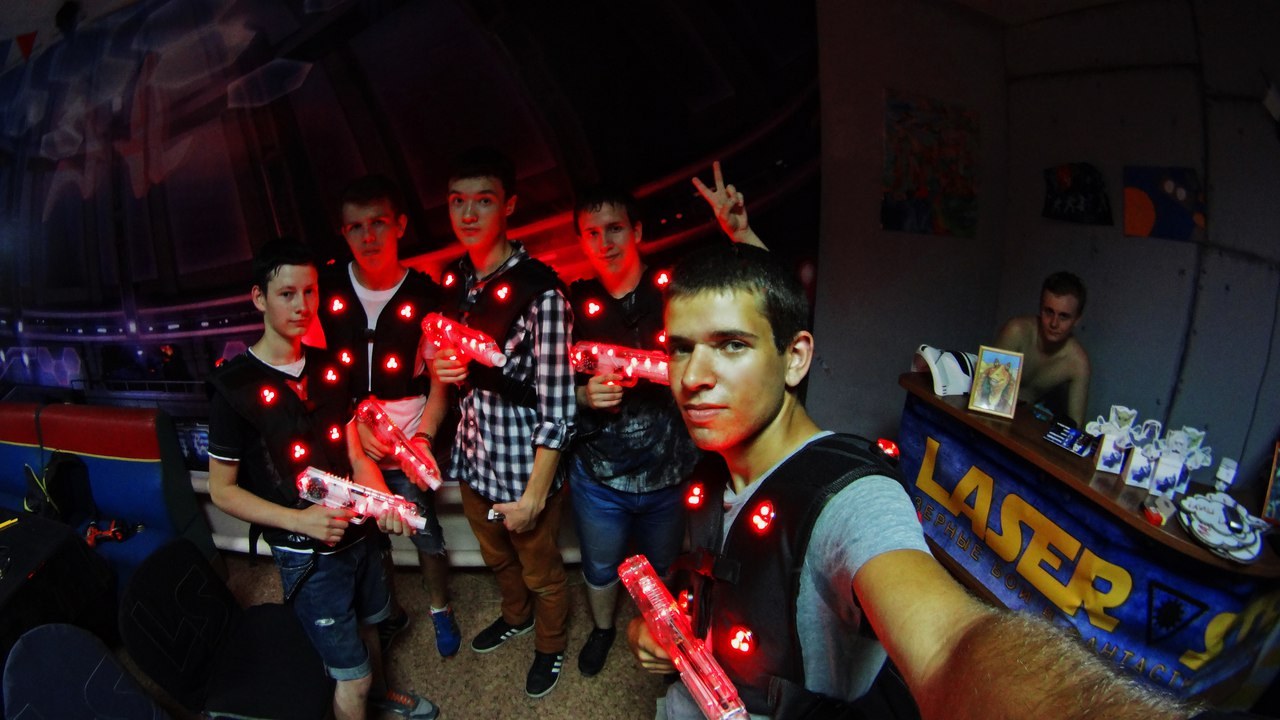
Choose laser tag commercial equipment according to player handling, environmental conditions and field size. Realistic appearance alone says little about suitability for a travelling event.
Lightweight taggers generally suit mixed-age parties and frequent player changes. Real-weight models with wood and steel frames can suit adult tactical sessions, provided players can comfortably carry them.
For adult laser tag equipment, consider the planned activity as well as appearance. A short team game on a lawn places different demands on players from an extended woodland scenario.
Hit detection depends on the complete system. Sensor placement, unobstructed sightlines and the selected IR settings all affect whether players receive consistent hits.
IR signals require a path to a compatible sensor. Test at intended engagement distances in actual lighting conditions, including shaded positions and areas exposed to direct sunlight.
Use the operating instructions for LASERWAR equipment to establish supported settings and charging procedures. Avoid transferring assumptions between different equipment generations.
| Equipment decision | Practical recommendation |
|---|---|
| Tagger weight and shape | Match handling to the youngest or least physically confident participants |
| Headband or vest sensors | Check fit, sensor exposure and changeover requirements |
| Battery capacity | Allow for the complete operating window, including testing and standby |
| Spare player equipment | Carry compatible replacements that are already charged and configured |
| Scenario devices | Add objectives only when the instructor can explain and manage them |
| Transport storage | Protect optics and connectors, and separate clean wearables from used ones |
Headbands need a planned hygiene process between groups. Follow the manufacturer’s cleaning guidance, protect electronics from unsuitable liquids, and allow cleaned wearable parts to dry before reuse.
A portable kit should also remain manageable for its instructor. Extra objectives create little value when equipment distribution already consumes the available changeover time.
How should the field be set up and tested?
Set up the field before issuing player equipment. Boundaries, cover and the briefing area should be ready before players begin moving through the site.
- Mark the playable area. Identify exits and excluded spaces. Position the waiting area outside firing lanes and keep access routes clear.
- Position and secure cover. Remove unstable obstacles and sharp edges. Walk the routes between cover to check footing and visibility.
- Configure the game. Assign teams and confirm health, ammunition and respawn rules supported by the system. Keep the opening game straightforward.
- Test the actual field. Check hits from opposing positions, verify sensor coverage and confirm that instructor controls work where they will be used.
- Brief and fit the players. Explain boundaries, stopping signals and equipment handling. Check wearable fit and sensor exposure before starting play.
A test should reproduce likely player positions. Check crouched players behind cover as well as standing players, since clothing or an incorrectly fitted headband can obscure sensors.
The laser tag equipment checklist before every shift provides the equipment checks to complete before dispatch. Field testing then verifies the conditions that cannot be reproduced at the storage location.
Keep a replacement set at the instructor’s position. If equipment fails during play, exchange the set and investigate away from the active field.
Measure setup time during a rehearsal. Include unloading, field assembly, configuration and testing, then use that measured result when agreeing venue access with the organiser.
Frequently Asked Questions
Can mobile laser tag be played in a backyard?
Yes, if the backyard offers safe movement, clear boundaries and enough usable cover for the proposed game. The provider should review access and photographs before accepting the location.
Can portable laser tag equipment work indoors and outdoors?
Some professional systems support both environments, but suitability depends on the specific equipment. Check environmental limitations and test IR hit detection under the lighting conditions at each location.
Is mobile laser tag suitable for adults?
Yes. Match tagger weight and game complexity to the group, and confirm whether participants want casual party games or a more demanding tactical format.
Do players need Wi-Fi or mains electricity?
Requirements depend on the game system and field accessories. Ask separately about game control, charging and powered equipment such as inflatable-cover blowers; battery-powered taggers do not establish the requirements of the whole event.
Start with the completed location brief and intended player format. If you are equipping a mobile operation, contact LASERWAR about a portable equipment configuration with those details so the selection starts from the field you need to run.


