Commercial vs Home Laser Tag Equipment: What a Rental Business Needs

What comes in a home set and a commercial kit?
Hasbro’s instructions for the Nerf Laser Ops Pro AlphaPoint two-pack describe two blasters and two phone armbands. The blasters register hits and show health and ammunition. Players can choose teams or free-for-all, and the pair requires eight AA alkaline batteries. The armbands hold phones. They serve a different purpose from wearable hit sensors. For a family that wants two people playing together, this is a straightforward setup. Hasbro’s AlphaPoint instructions.
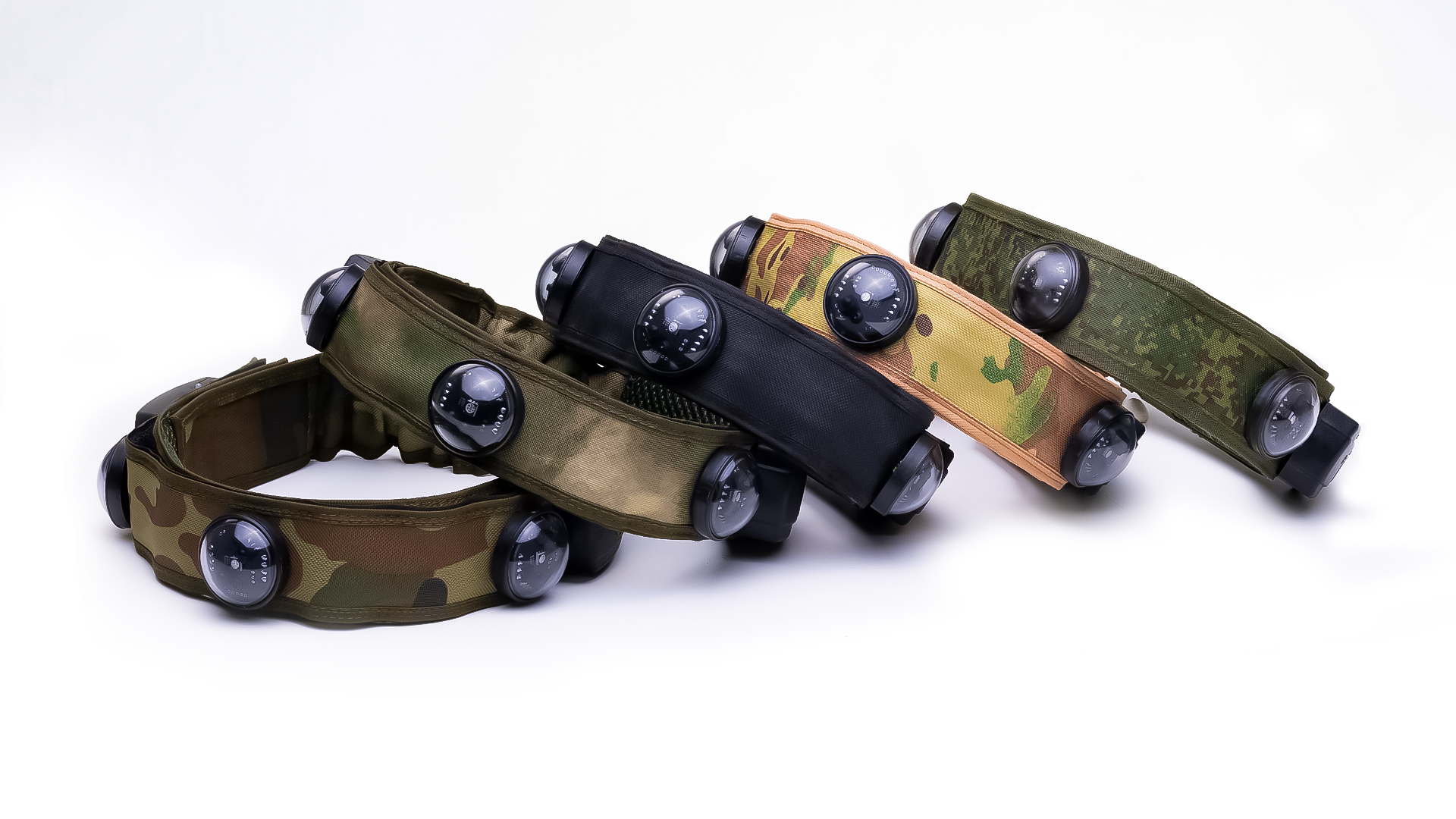
In the LASERWAR StartUp v.9 Smart RGB Predator configuration, each player carries a tagger and wears a headband that registers hits. The published kit includes ten of each, charging equipment, a Bluetooth base, a remote and two electronic respawn devices. The configuration checked on 12 November 2026 also listed two extra matching taggers and headbands as bonuses. Confirm the item list when ordering. StartUp configuration and current price.
Compare what happens during a booking
Work through a twelve-player party
Six two-packs supply twelve home blasters. With the AlphaPoint example, that takes 48 AA batteries for the first fill. If one unit stops working, the host has eleven places left unless another compatible unit is ready. The box count also tells you little about how long it takes one person to assign teams and reset the game. Try that handover before promising a start time.
For the StartUp example, the listed bonuses bring the total to twelve complete sets. A club could sell ten places and keep two sets ready for swaps. Selling all twelve uses that reserve. A club promising twelve places with two ready spares should request fourteen complete sets, compatible charging capacity and a quote for delivery. The same equipment can support two different booking policies.
Compare the price delivered to your venue at the number of places you intend to sell. Include the controller, charging equipment, any network hardware and a reserve in each offer. Over the first season, record battery purchases, replacement parts and staff time between groups. These figures tell you more about your own costs than an assumed lifespan for either system. See commercial kit prices and what they include.
Try one complete handover before buying
- Give the equipment to the person who will host the session. Have them fit the youngest and tallest representative players, assign teams and check that each player receives feedback.
- Run a short round, then ask the host to swap one player’s set. Check how quickly that player rejoins and what happens to their team assignment and score.
- End the game and show guests the results your event promises. Collect, clean and reset the equipment. Record when the last set is ready for a new guest.
For occasional family play, a home set makes sense if it fits your players, preferred game and battery budget. For paid bookings, choose the configuration your staff can run through that handover repeatedly. To price a LASERWAR setup, send your simultaneous player count, age range, rounds per day, delivery postcode and number of ready spares. Request an itemized equipment quote.
- Business


