Laser Tag Headbands vs Vests: Which System Fits Your Business?
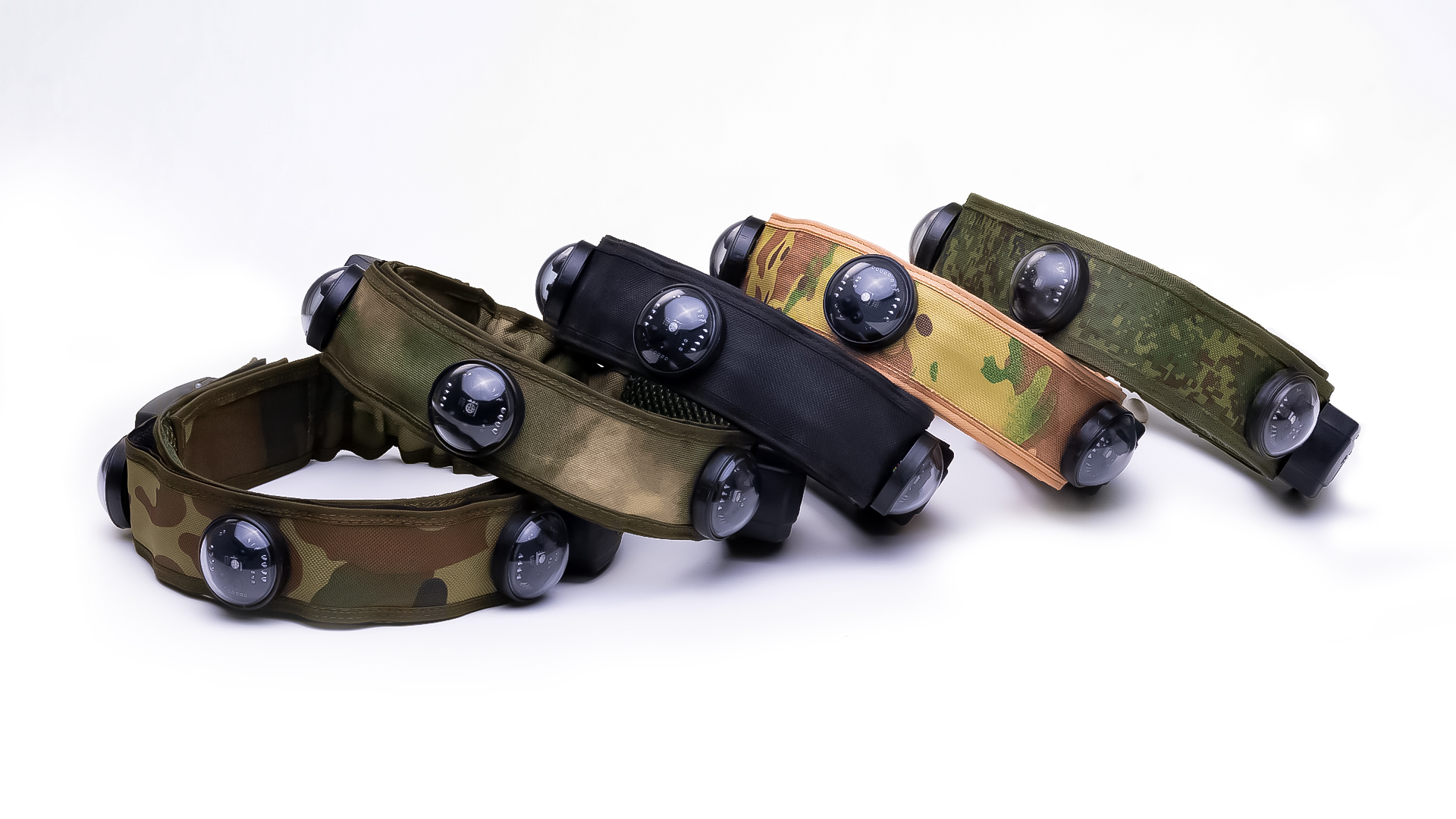
Choosing between laser tag headbands and vests starts with the way your venue will run. Compare the location of the hit sensors, the fit of each player set and the work between sessions. Then choose the complete equipment configuration that supports your games, staff and customers.
Laser tag headbands vs vests: compare the operating routine
For a business buyer, the useful comparison is what happens from check-in to the next group. A compact wearable may suit equipment that travels between venues. A vest may suit a permanent arena where fitting and presentation are part of the experience. Both choices need clean contact surfaces, charged batteries and a trained instructor.
On a small screen, scroll the table horizontally to compare every column.
| Decision | Headband system | Vest system | Phaser-only system |
|---|---|---|---|
| Hit detection | Check sensor positions around the head and the feedback the player receives. | Check the actual chest, back and shoulder sensor arrangement. | Ask where the handheld unit receives hits and how holding it changes exposure. |
| Player fitting | Adjust the band and check that sensors remain uncovered. | Adjust straps and inspect the fit while the player turns, bends and holds the blaster. | Test grip, reach and any two-hand control with the intended customers. |
| Between groups | Include cuff changes and drying in the routine. | Include liner care, strap checks and storage space. | Include handle cleaning, inspection and charging. |
| What to transport | Count taggers, paired wearables, cuffs, chargers and cases. | Count blasters, vests, liners, chargers and suitable storage. | Ask what control equipment and accessories are needed besides the handheld units. |
| Demonstration | Fit, register a hit, change teams and replace one complete player set. | Repeat the same test and check whether the blaster is wired or wireless. | Run the intended game and test the supplier's handling rules. |
Phaser-only equipment is a separate category, not a promise that a particular LASERWAR tagger can operate without its required wearable. For a market example, Zone describes both vest-and-phaser and phaser-only systems. Ask each supplier to demonstrate the configuration it actually sells.
Two LASERWAR examples to inspect
Smart RGB headband
The Smart RGB headband uses four hit-sensor modules, visual feedback and vibration. Its published component weight is 0.220 kg, about 7.8 oz. That figure describes the headband, not the tagger or the complete player set.
Try the band on the customers you expect to host. Check the adjustment, the way the sensors sit and the instructor's explanation of a hit. A purchasing decision should also account for spare hygienic cuffs and the correct chargers. Follow the current product instructions when cleaning or charging the equipment.
Smart RGB headband: see the wearable and its feedback
DEFENDER vest with PULSAR
The DEFENDER vest is part of ALPHATAG ARENA and pairs wirelessly with the PULSAR blaster. The current listing describes sensors on the front, back and shoulder straps, an adjustable fit and an Airmesh liner. Its listed 1.7 kg weight, about 3.7 lb, is the vest component; it is not the total weight of a vest-and-blaster set.
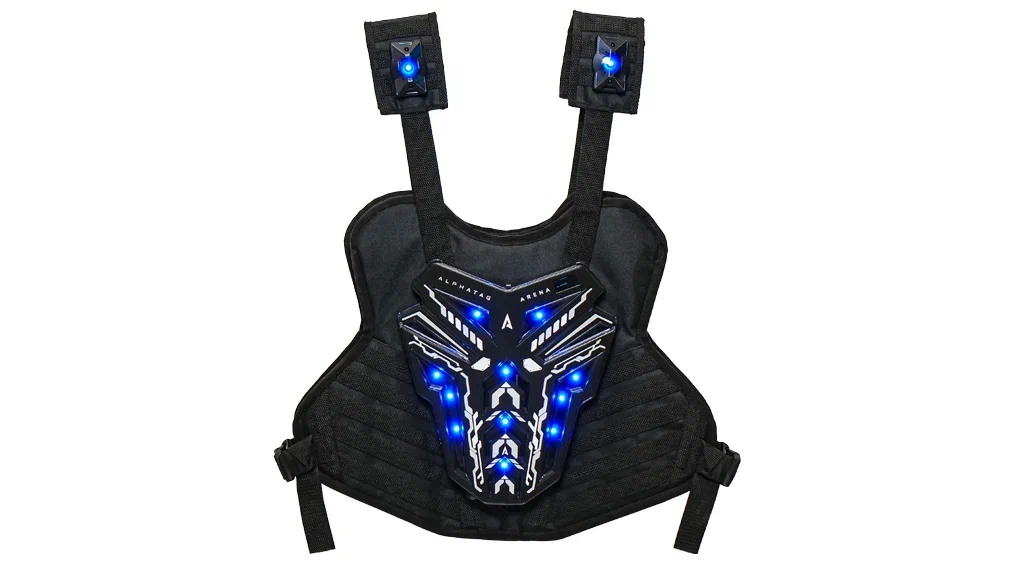
A comparison of these two component weights cannot tell you which complete system a child will find easier to use. Test the blaster, wearable and accessories together. The fit, grip and ability to follow instructions matter alongside the number on the specification sheet.
Match the configuration to your venue
Mobile parties and temporary fields
Start with the vehicle, setup area and instructor's routine. Lay out a complete event load: player sets, reserves, chargers, clean cuffs or liners, control equipment and protective cases. Check how many trips it takes to unload and whether the equipment can be checked before guests arrive. Compare the workflow with the mobile laser tag setup guide.
Outdoor venues
Choose a system for the actual playing area, daylight conditions and supervision plan. Headbands can keep the wearable compact; a vest changes the position of the hit zones and the equipment you issue. Confirm the environmental limits of each model rather than assuming all devices in a bundle have the same protection.
Permanent indoor arenas
Include the equipment room and handover process in the decision. Let an instructor fit several complete sets, explain the feedback and receive the equipment back. Compare the time and storage each arrangement needs. A wireless vest removes a player cable; it still needs a planned charging and inspection routine.
Test one repeatable session before choosing
Use the same demonstration brief for every configuration. For example, plan a 12-player session with two complete reserve sets. These numbers are an evaluation scenario, not a universal fleet recommendation.
- Fit the equipment to representative players and explain the rules.
- Check team identification, hits, reloads and the end-of-game signal.
- Replace one complete player set with a reserve and record the steps.
- Return the equipment, change or clean contact items as instructed, and prepare the next group.
- List every item used in the demonstration beside the supplier's quotation.
Keep three compatibility questions separate: whether complete sets can play in the same infrared game, whether a tagger and wearable form the intended player configuration, and whether all sets share the same control or live-statistics application. A positive answer to one does not establish the other two. The generation comparison is a useful starting point for discussing software requirements.
Buyer questions
Are headbands only for outdoor laser tag?
No. Choose the wearable by the proposed system and game format, not by the word “outdoor.” LASERWAR's Smart RGB presentation describes adjustable background illumination for different conditions. For your venue, ask to see the intended sensor, tagger and software combination operating under the lighting and rules you plan to use.
Does a vest mean the blaster must have a cable?
No. Connection methods depend on the product. DEFENDER and PULSAR form a wireless ALPHATAG ARENA configuration. When comparing alternatives, specify the exact models and ask how pairing, charging and a spare-set change work. Do not infer the connection method from the appearance of the vest.
What should be included in the equipment quote?
Ask for active player configurations and complete reserves, the required controllers and software, charging capacity, washable contact items, cases and opening spares. List delivery, training and service terms separately. This makes a headband-based or vest-based proposal easier to compare against the same business requirements.
Choose the player set around your business
Tell LASERWAR your country, venue format, intended customers, active player count and turnaround plan. Ask for an itemized proposal showing the recommended headbands or vests, matching taggers, reserves and supporting equipment.
- Business


