Laser Tag Equipment for Schools and Camps

LASERWAR field guide / Schools & camps
Size a school or camp laser tag fleet by the number of participants who play at the same time. For a group of 36 split into three waves of 12, plan for 12 fitted player sets and a separate reserve. Give the other groups an assigned activity and a supervised waiting area.
Turn the roster into a schedule
Example rotation / 36 participants
One play zone, three waves of 12
- 12Wave A 00–22 min
- 12Wave B 22–44 min
- 12Wave C 44–66 min
Allow 22 minutes per wave in this example: 5 for fitting and briefing, 12 for play, 5 to collect and reset. Add any whole-group briefing, breaks or travel between stations to the overall schedule.
Use these numbers to price a rehearsal. Adjust the wave size to your field boundaries, equipment fit and supervision plan. Time a complete handover before offering a schedule to the school or camp.
| Participants | Waves | Active sets | Example reserve | Play block |
|---|---|---|---|---|
| 24 | 2 × 12 | 12 | 2 | 44 min |
| 36 | 3 × 12 | 12 | 2 | 66 min |
| 48 | 4 × 12 | 12 | 2 | 88 min |
A complete reserve means a charged tagger and matching sensor that staff can fit and test immediately. Two reserves are an example for this schedule. Choose the actual number after a rehearsal and a review of your service plan.
Quote the complete kit
Ask for taggers, compatible sensors, charging and the required game controls on separate lines. Test fit on the intended participant group: straps should adjust to clothing, and players should be able to hold and operate the tagger comfortably. Agree on the equipment appearance with the school or venue before booking.


These catalogue photos illustrate the components listed in the ALPHATAG Arena Start configuration. For a school or camp, use your own fit, venue and supervision requirements to choose a configuration with the supplier.
Include a way to label and store each set, keep clean and used sensors separate, and follow the equipment manual for charging and cleaning. Ask who will record faults and where spare sets will be staged between waves.
Prepare the field and the handover
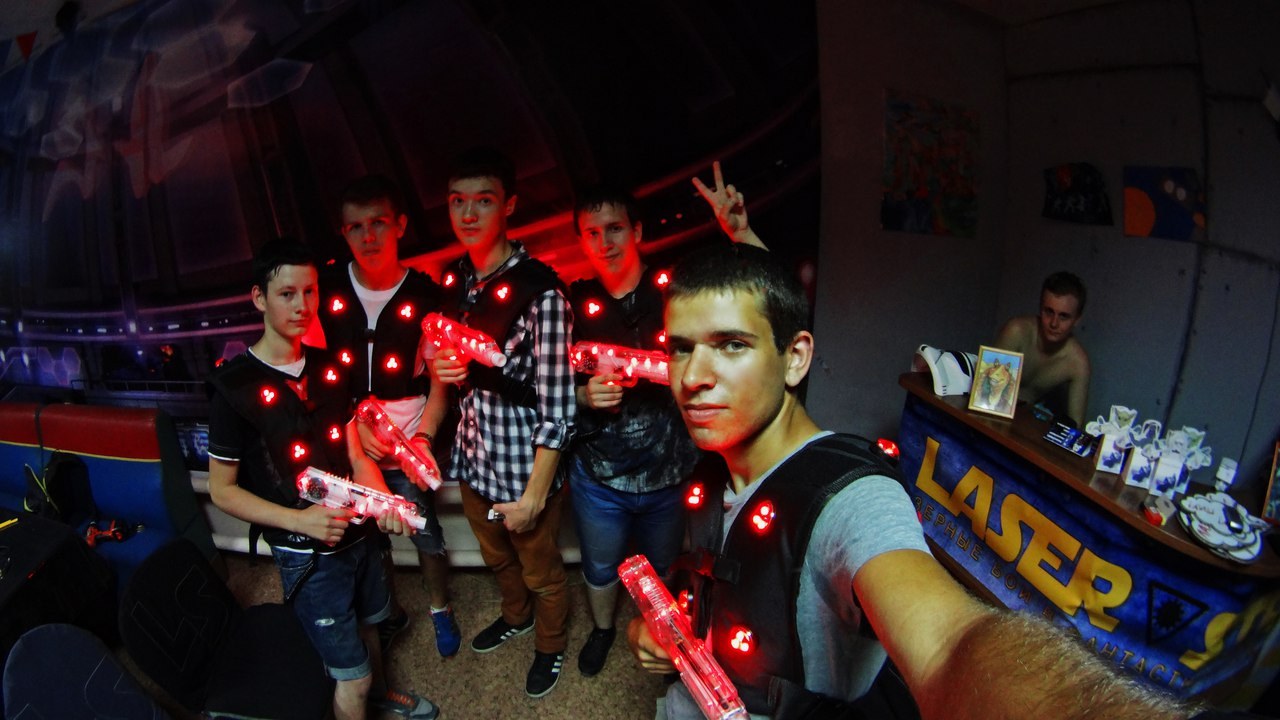
Walk the space with the venue lead. Mark the active boundary, briefing area, waiting zone and exit route. Agree who watches the play area, who fits equipment and who looks after the groups waiting their turn. Rehearse how staff stop a game, direct participants to the exit and swap a faulty set.
Before the first wave
Confirm the venue rules and the organizer's participant requirements. Count charged active and reserve sets, check that each pair registers hits, walk the boundaries and show participants the stop signal.
Between waves
Count the group out and clear the field. Check returned sets, clean according to the manual and label equipment that needs attention. Fit the next group in the briefing area.
If the field or schedule changes
Pause and agree on the new plan with the venue lead. Recheck boundaries, staffing and session timing before starting again. Use the organizer's procedures for weather and emergencies.
See the LASERWAR game preparation and briefing checklists for a longer walkthrough.
Send the supplier a usable brief
Include the venue country, participant ages, total roster, simultaneous players, event dates, field layout, access to power and desired session length. Ask for active sets, complete reserves, charging, game control, training and support as separate quote lines. Use the same brief for every supplier.
By LASERWAR / Catalogue photos and operator guidance


