Upgrade or Replace Your Laser Tag Equipment? A Fleet Modernization Guide
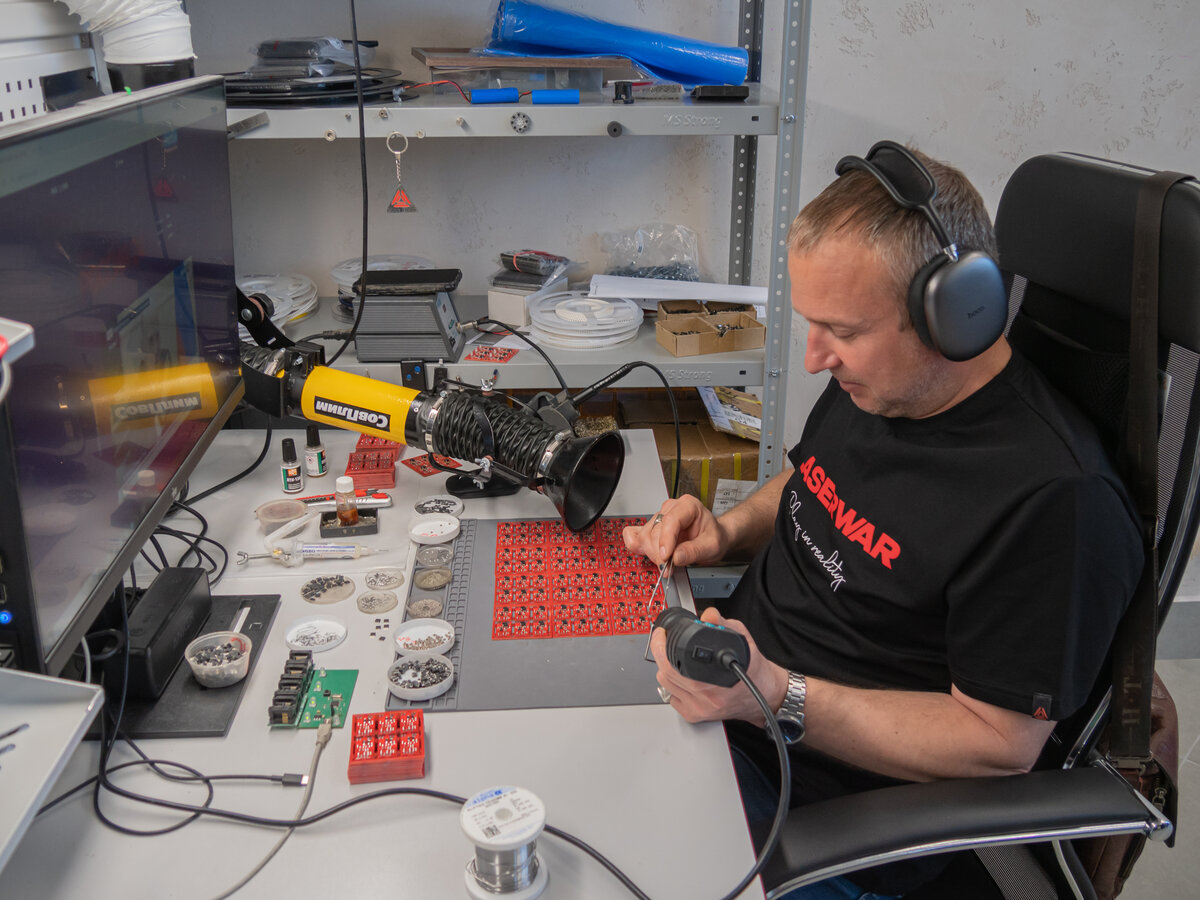
Upgrading laser tag equipment makes sense when the existing fleet is worth keeping and the proposed changes solve a clear operating problem. Replacement deserves a separate quote when wear, missing components or the desired system configuration make a partial update less useful. Start with a fleet inventory and compare complete, usable outcomes.
Identify the problem before requesting an upgrade
A weekend with more bookings may call for additional complete sets. A damaged housing may call for a repair assessment. A plan to introduce different software or live statistics may require an electronics change and a revised operating setup. Treating all three as “we need newer equipment” makes quotations harder to compare.
Write one objective that can be checked after the work. Examples include “keep 12 player places available while two sets are being serviced,” or “operate the renewed fleet through the agreed application and save a complete game report.” These are project requirements, not claims that every upgrade provides the same features.
Make a usable fleet inventory
Count complete player configurations rather than tagger bodies. Record the paired wearable, chargers and control equipment alongside each tagger. Photograph the model labels, connection points and any visible damage, and give the service team a clear description of the issue. Leave internal electrical checks to qualified personnel.
On a small screen, scroll the table horizontally to compare every column.
| Record | What to provide | Why it changes the decision |
|---|---|---|
| Models and generations | Model names, electronics generations, quantities and serial numbers where available. | Identifies possible upgrade routes and the intended player configuration. |
| Physical condition | Photos of housings, fasteners, straps, connectors and reported faults. | Shows whether retaining the existing equipment is practical. |
| Battery and charging | Battery information from the product records, charger models and observed performance. | Prevents an electronics-only estimate from omitting power equipment. |
| Software | Applications used, operator devices and required statistics. | Separates common gameplay from a shared control or reporting system. |
| Operating requirement | Active players, complete reserves, busiest dates and country. | Sets the size of the usable fleet and the service logistics. |
Download the fleet inventory worksheet and attach the completed file to your assessment request.
Compare three laser tag equipment upgrade routes
1. Repair and add what is missing
This route fits a fleet whose existing functions still meet the business brief. Request a repair assessment and price the missing complete reserves, cuffs, chargers or compatible game devices separately. The article on when to expand an equipment pool helps identify a capacity issue before it is mistaken for a technology issue.
2. Upgrade the electronics in suitable equipment
LASERWAR publishes a Trade-in modernization service for existing game sets. The published examples below describe the work listed on that page. The exact model, condition, target configuration and service route still need an individual assessment.
On a small screen, scroll the table horizontally to compare every column.
| Published route | Listed work | Confirm in the assessment |
|---|---|---|
| 8th to 10th generation | Replace the headband sensors and tagger board. | The suitable models and all components included. |
| 9th to 10th generation | Replace the tagger board and update headband firmware. | The condition of the retained wearable, battery and housing. |
| 8th, 9th or 10th to 11th generation | Replace the headband, battery and tagger board. | The resulting player configuration, charging and software. |
Do not turn an example route into a promise that every model can be converted. The service team should state what will be retained, replaced, returned and tested. Ask for a separate allowance for work that an inspection may reveal.
3. Replace complete player configurations
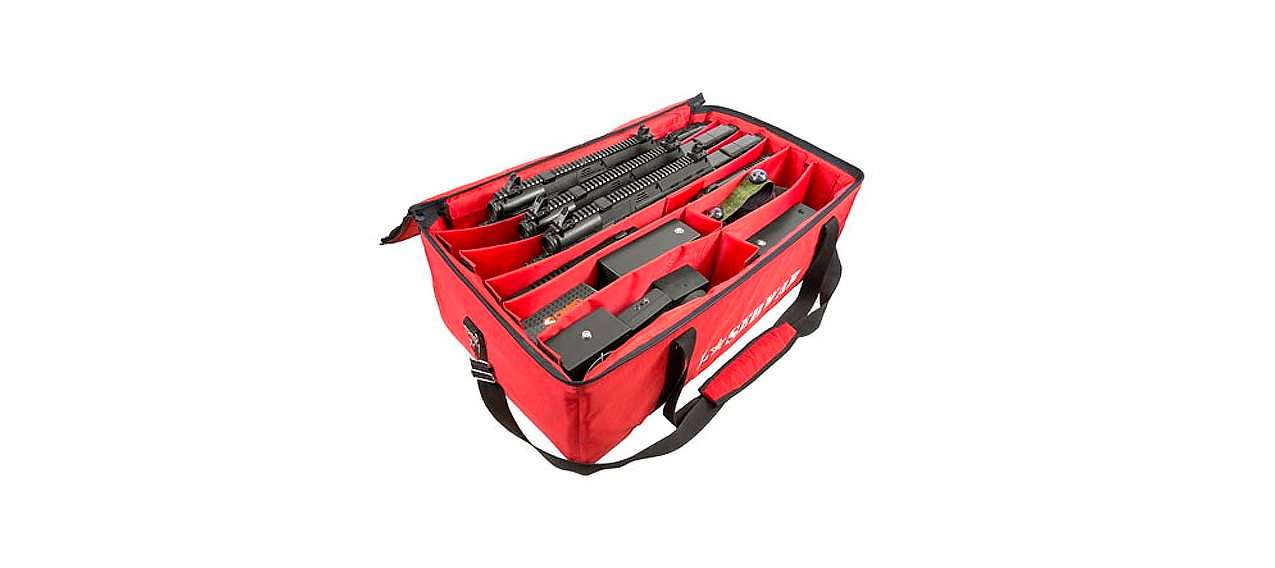
Quote complete replacement when the current housings or supporting equipment no longer suit the intended operation, or when you want a different player configuration. Compare the result with the upgrade quotation using the same active-player and reserve counts. A new tagger price alone is not a replacement-system budget.
Which suppliers can upgrade an existing laser tag fleet?
LaserBlast, Laserforce and Zone publish routes for operators refreshing an existing attraction. LASERWAR publishes electronics conversions for eligible LASERWAR sets. When comparing quotes, ask each supplier which parts of your current system can stay, which must change and how many players you can serve during the work.
On a small screen, scroll the table horizontally to compare every column.
| Supplier | Published route | What to confirm in your quote |
|---|---|---|
| LaserBlast | Advertises an upgrade and trade-in path for existing LaserBlast customers and operators switching suppliers. Its CyberBlast FEC to Pro example retains bases, targets and mines while replacing player equipment, charging racks and the control PC and monitor. See the upgrade program and FEC-to-Pro example. | Confirm which devices your installation can retain, the trade-in credit and the closure window. LaserBlast describes one to two days of closure for a typical CyberBlast Pro installation. Ask for dates that cover your full scope and reopening test. |
| Laserforce | Offers a trade-in discussion and supports earlier Laserforce generations. Its annual Support & Upgrade Program covers technical services and software updates. The supplier documents a Gen7 to Gen8 Infinity upgrade. See the purchasing and support FAQ. | Ask which legacy suits, charging hardware and arena devices can stay. Request separate figures for installation, trade-in credit and the annual SUP fee for your fleet size. |
| Zone Laser Tag | Reports that Helios upgrades support most Zone arena devices made from 2012 onward. Zone offers financing for equipment upgrades in most regions. Trade-in availability depends on the equipment and region. See the upgrade FAQ and financing options. | Send your Zone Site ID and device list. Ask which devices can be retained or upgraded, what license and support costs apply, and what your local distributor can offer on trade-in and financing. |
| LASERWAR | Its Trade-in service describes fitting eligible LASERWAR sets with X-Generation or Alphatag electronics. The page lists up to seven days for workshop work, depending on model and generation. Operators can also request a quote for complete replacement sets. | Ask for the parts to retain, convert or replace by model, plus workshop time, delivery and return freight. For a fleet from another manufacturer, request a replacement assessment and written confirmation of each component that could remain in service. |
What to request in a phased upgrade quote
Send each supplier the same inventory, minimum number of playable sets, reserve count and dates when you need to stay open. Ask for a written proposal with these four items.
- Which equipment stays. Mark each type of tagger, wearable, charger, base, target and controller as keep, convert or replace. Include the software and reporting functions that will work before, during and after the changeover.
- What each stage costs. Itemize parts, labor, freight, installation, training and recurring license or support costs. Show any confirmed trade-in credit as a separate deduction.
- How many sets remain usable. Record complete sets on site and in service at each stage. Specify which sessions need a closure or reduced capacity and what the supplier can provide if a batch is delayed.
- What you will test before reopening. Run the promised game mode on the mix of equipment you plan to use, check scoring and charging, and have an instructor swap in a spare set. Ask who handles failures and what it takes to return to the previous setup.
Keep gameplay and statistics compatibility separate
Different LASERWAR generations can participate in the same infrared game. That does not mean they share one live-statistics application. For example, 9th- and 11th-generation equipment, or 10th- and 11th-generation equipment, use different programs for their online-statistics functions. A mixed fleet may therefore remain playable while requiring a separate reporting plan.
Define the outcome you need: shared gameplay, centralized setup, a common display, saved reports, or a combination. Review the generation comparison and request a demonstration of those exact functions. Treat charger voltages, battery connections and player-set pairing as separate technical checks.
See X-Generation equipment and its operating concept
Plan renewal without losing the reserve fleet
Consider an illustrative club with 16 complete sets: 12 active places and four reserves. Sending two sets for service leaves 14 on site, enough for the planned 12-player session and two reserves. Sending all four reserves leaves no backup. Whether two remaining reserves are sufficient depends on the club's bookings and condition records.
Agree batches only after confirming that the retained and returned sets support the required game. Receive, inspect and test each batch before sending the next. A published workshop estimate does not cover the full international journey: packing, outbound freight, customs, the service queue, return freight and acceptance testing all belong in the schedule.
Compare the full cost, then test the result
Use the same line items for every option: equipment and parts, workshop labor, freight in both directions, applicable import charges, charging or control changes, staff training and the operating gap. Record unquoted items as unknown. An attractive electronics price cannot establish the total cost while the rest of the scope remains open.
Before accepting the renewed fleet, count the returned items, verify the agreed pairing and settings, register hits, run the intended scenarios and test the required statistics. Rehearse a reserve swap and charging routine with an instructor. Record any faults before returning the equipment to paid sessions.
Questions about modernization
Can I keep using older equipment while upgrading part of the fleet?
A phased renewal can be practical when enough complete sets remain available and the game setup supports both groups of equipment. Keep shared infrared gameplay separate from software and statistics requirements. Agree the batch size, available reserves and acceptance test with LASERWAR before the first shipment leaves your club.
Is an upgrade always cheaper than buying new sets?
No decision should rest on the board price alone. Compare the full assessed work with a complete replacement proposal, including retained wear, freight, charging and software changes. The useful result is a working fleet that meets your requirements. Use the written scope and total quotation to make the comparison.
What should I send with a trade-in request?
Send the equipment inventory, clear external photographs, model and generation information, observed faults, your country and the functions you want after the upgrade. Include the minimum active fleet you must keep available. This lets the technical team assess both the modernization route and the practical order of work.
Get a modernization assessment for your fleet
Send LASERWAR your inventory, venue location and the minimum number of playable sets you need during the changeover. Ask for itemized quotes for converting eligible sets and replacing complete sets where appropriate. Include your busiest dates and the reporting features you need. Request a proposed batch size, a list of parts that can stay and estimated workshop and shipping times before sending equipment.
Request a trade-in assessment Explore replacement equipment packages
- Business


